One year with the Fujifilm X100VI
I like it - far from perfect.
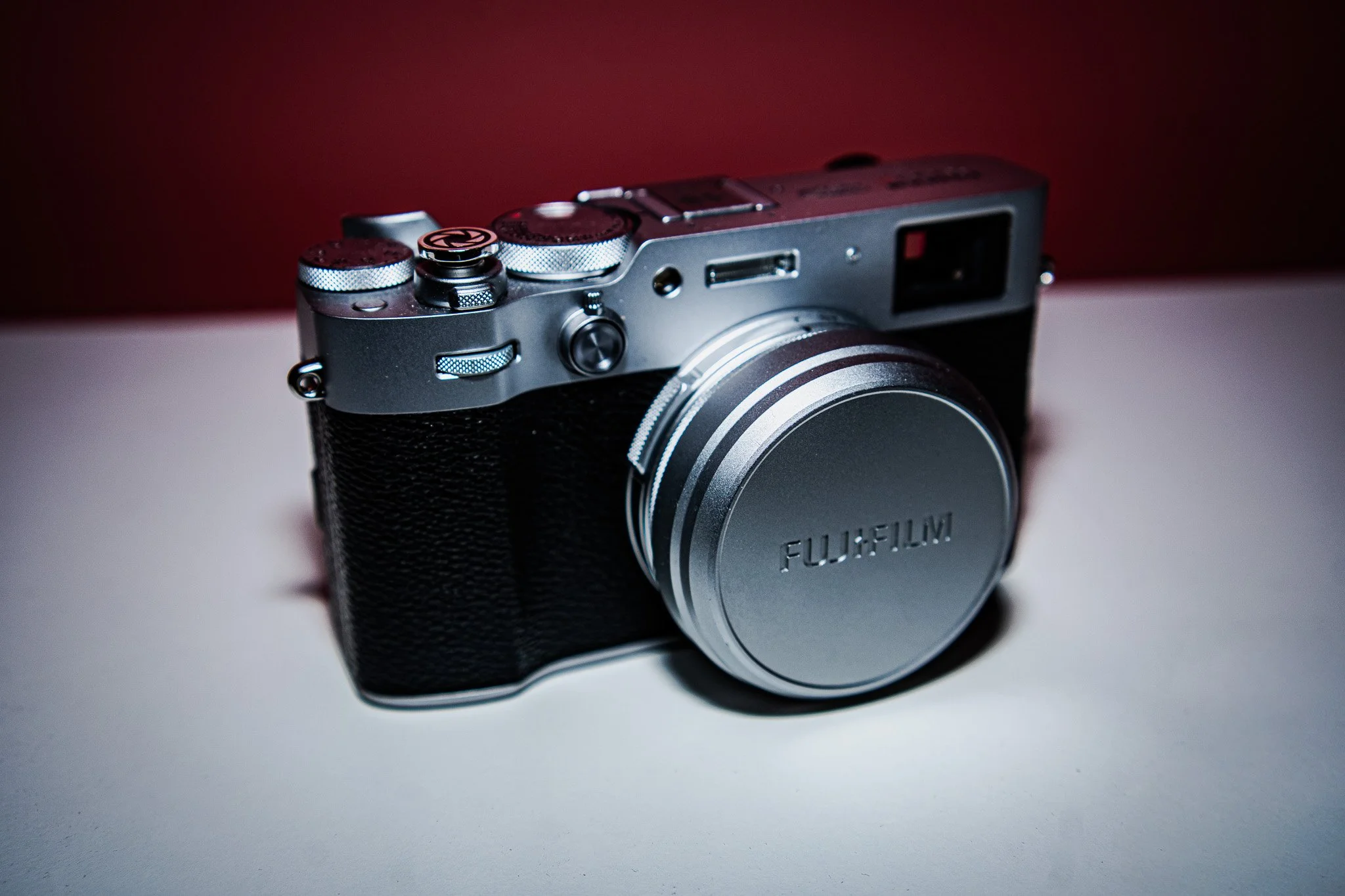
Look at that beaut!
I already owned the Sony A7IV. A good hybrid camera, but just a little bit too big to live in my Billingham Hadley Pro 2020. Also, the Sony had become my studio camera where I work, and I didn’t want to pack and unpack it all the time. I wanted a camera to live in my bag, not be a nomad.
The Fujifilm X100VI was all the rage and sold out everywhere when I first put my gaze upon it. In late December of 2025 I finally got my hands on one.
Nice, very nice
There is a lot to love about this camera, like the size, which was a big part of why I picked it up. And, of course, it looks good. I went for the silver one for that extra old-school look. The wheel at the top where you can adjust ISO and shutter speed looks cool, but it’s actually horrible to use. No problem, as you can remap ISO and shutter to the front and back wheel on right side of the camera. There are even more buttons that can be mapped as you like. Aperture can be set using a ring on the lens. Not to mention the hybrid viewfinder. The analog viewfinder is great in the dark when using the flash, digital one makes you see what you get when not using the flash.
One of the main selling points of the X100VI are the readily available film stock looks, or luts. Fujifilm used to make both cameras and film stock, so they included the original film stocks in their camera like Provia, PRO160N, Astia and many more. This newest version of the X100 also shoots .HEIC, that has more information than a simple .jpeg. I thought I would use the .HEICs more, but I’m just too addicted to over-edit photos in Lightroom.
With the film stocks and the physical appearance of the camera, one of the main selling points is the nostalgic feel. However, what I’ve found to give photos the most nostalgic look is the built-in flash. The TTL setting almost always exposes correctly. And it’s fun. Flash is fun. In fact, using this camera in general is fun.
Annoying
The camera has its share of annoyances too. Let’s start with the ergonomics: so bad that you have to buy a thumb grip to feel safe. And where does that grip connect to? The hot shoe. People have been complaining about this for over a decade. There has to be a better solution.
The biggest problem with this camera is the focus-system. Way too often does the camera get stuck hunting. I don’t know what the hell is going on inside the camera but it sounds like something is going to break if I continue half-holding the shutter button desperately trying to force it to find something to focus on. Also, sometimes it just misses focus completely, even though it should have been an easy shot. Like, a person on a grassy field. I love to bring the camera to gatherings and put it on the table for everyone to use, and way too often I find photos that are out of focus where it’s clear that it’s the camera’s fault. When I say way too often, I mean more than zero, and certainly more often than the Sony. Don’t get me wrong, it doesn’t happen all the time. The safest way to ensure focus is to use the box-setting instead of the wide setting.
Embarrassing
The Fujifilm X100VI comes fitted with a fixed lens that is a 35 full-frame equivalent. I bought this camera to be both portable and easy. However, there are conversion lenses, and thinking that 35mm would often be too tight, I got the wide conversion lens. 28mm equivalent. You might think that it doesn’t sound like a massive change, and you would be right. It feels like it’s basically the same as taking two steps back. OK, fine. It is meant to be used in tight spaces. Inside, often in darkness. No problem as the X100VI has built-in flash. Right? First time using the converter with the flash I could not for the life of me understand where the dark spot at the bottom of the frame came from. The same half-circle appeared no matter where I took the picture. Here’s the thing, the converter adds to the length of the lens, and the flash sits right above the lens. It was the converter’s shadow. Apparently a known problem. So dumb. The wide conversion lens for this camera may actually be the worst purchase of my life. Embarrassing.
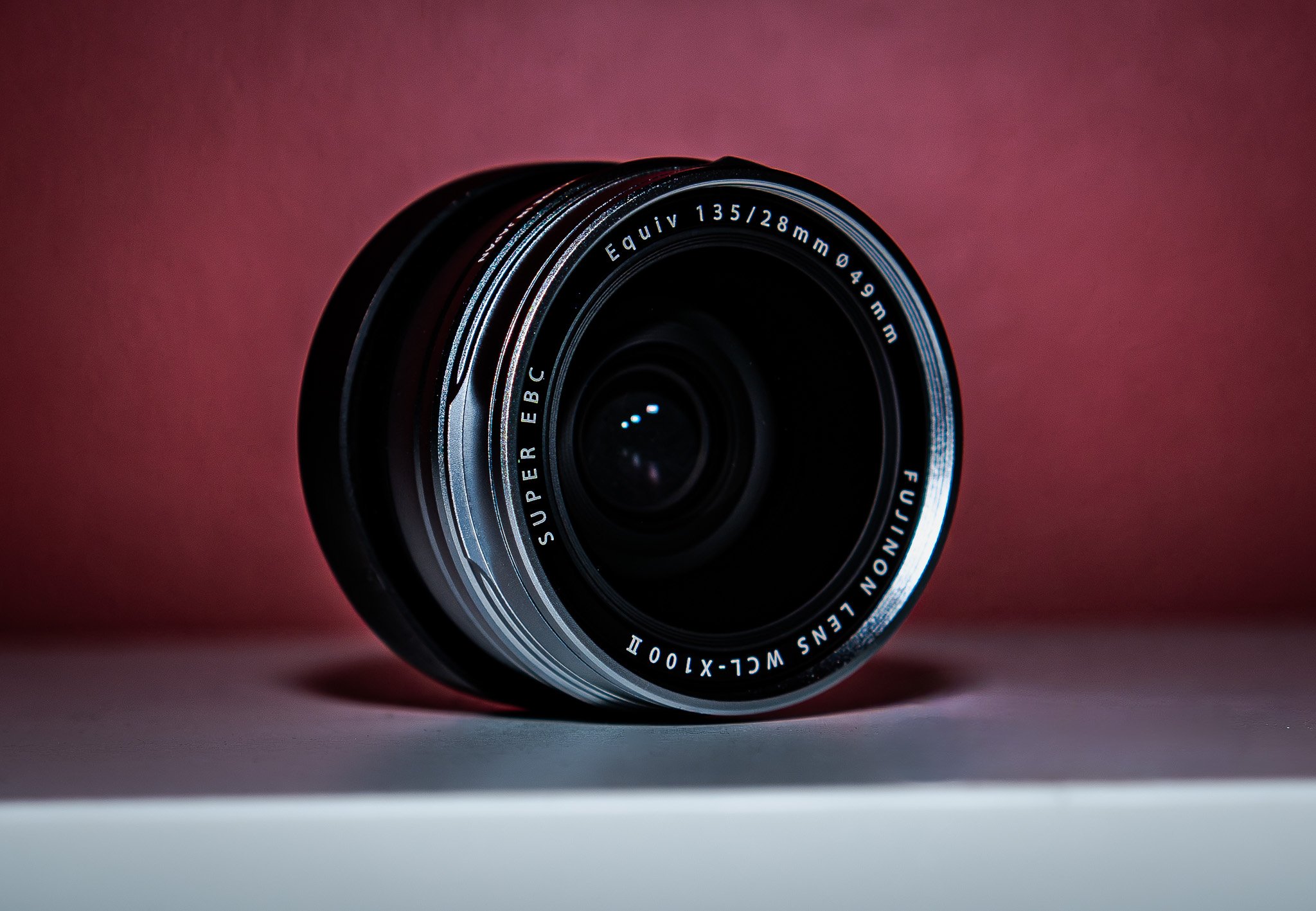
Not as beaut functionality-wise.
Not the most embarrassing though. A question I get a lot is how much the camera cost. Admitting that I paid 2000 USD for a fixed lens APS-C camera feels bad every time. It’s a good camera, but I’m not going to argue that it isn’t disgustingly overpriced.
Well?
It’s a fun little camera, but the fixed lens will get boring at some point, and I also want to do more video in the future. One year later and I’m already drooling over the Nikon ZR with its 12-bit raw video codec. It can do photo too, 24.5 megapixels. A tiny flash on top, will the experience be that different? I don’t think it’s even that much bigger. Won’t look as good sitting on the café table while I’m reading Murakami though.
In conclusion, I’m never going to recommend anyone to buy this camera. It’s overpriced and there are so many better cameras out there in the same price range. The Fujifilm X-T5 for example. Same price, better ergonomics, better for video and interchangeable lenses. Just a little bit bigger. But I bought the X100VI for it to be a simple point and shoot camera, and I don’t regret buying it.
Yet.
Photos
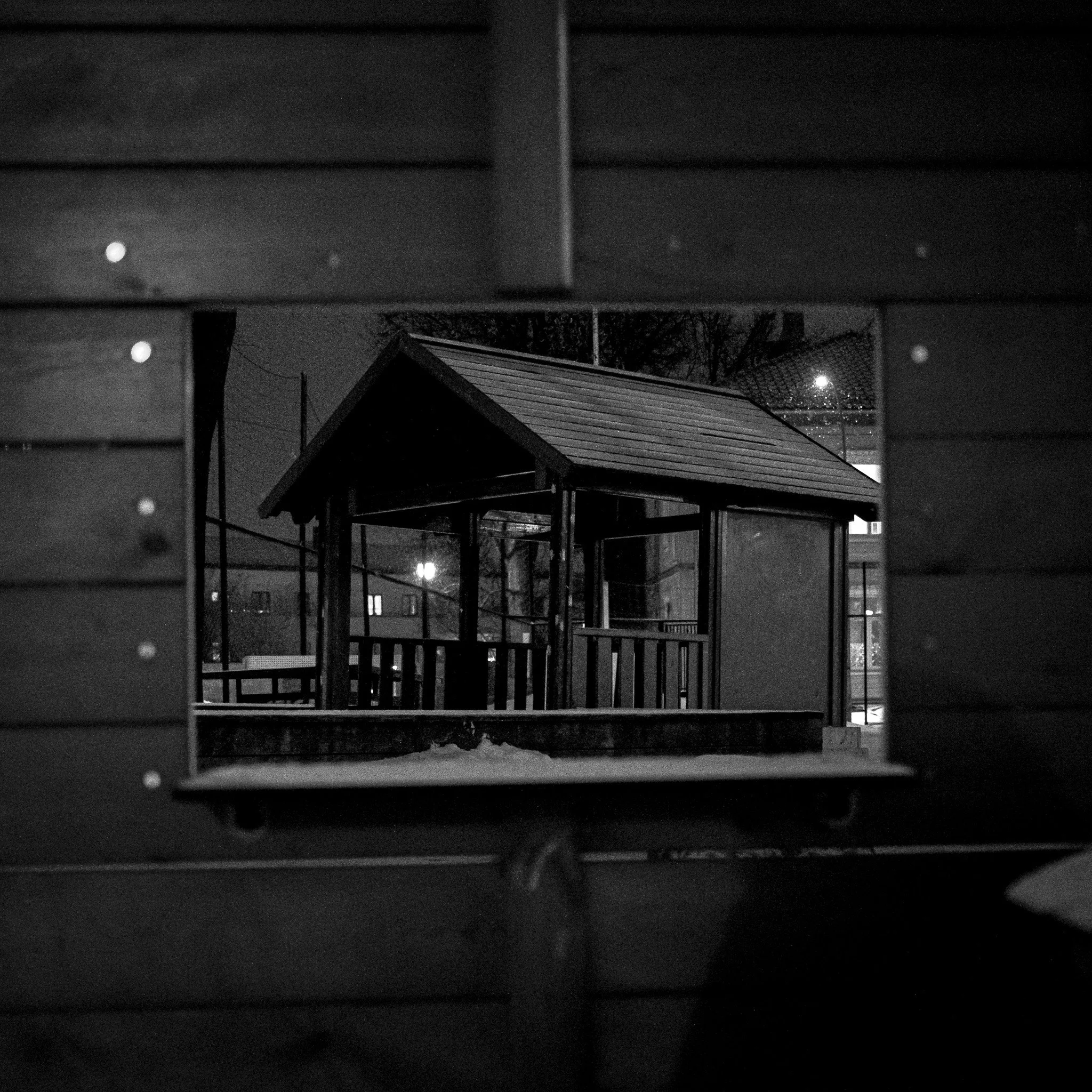
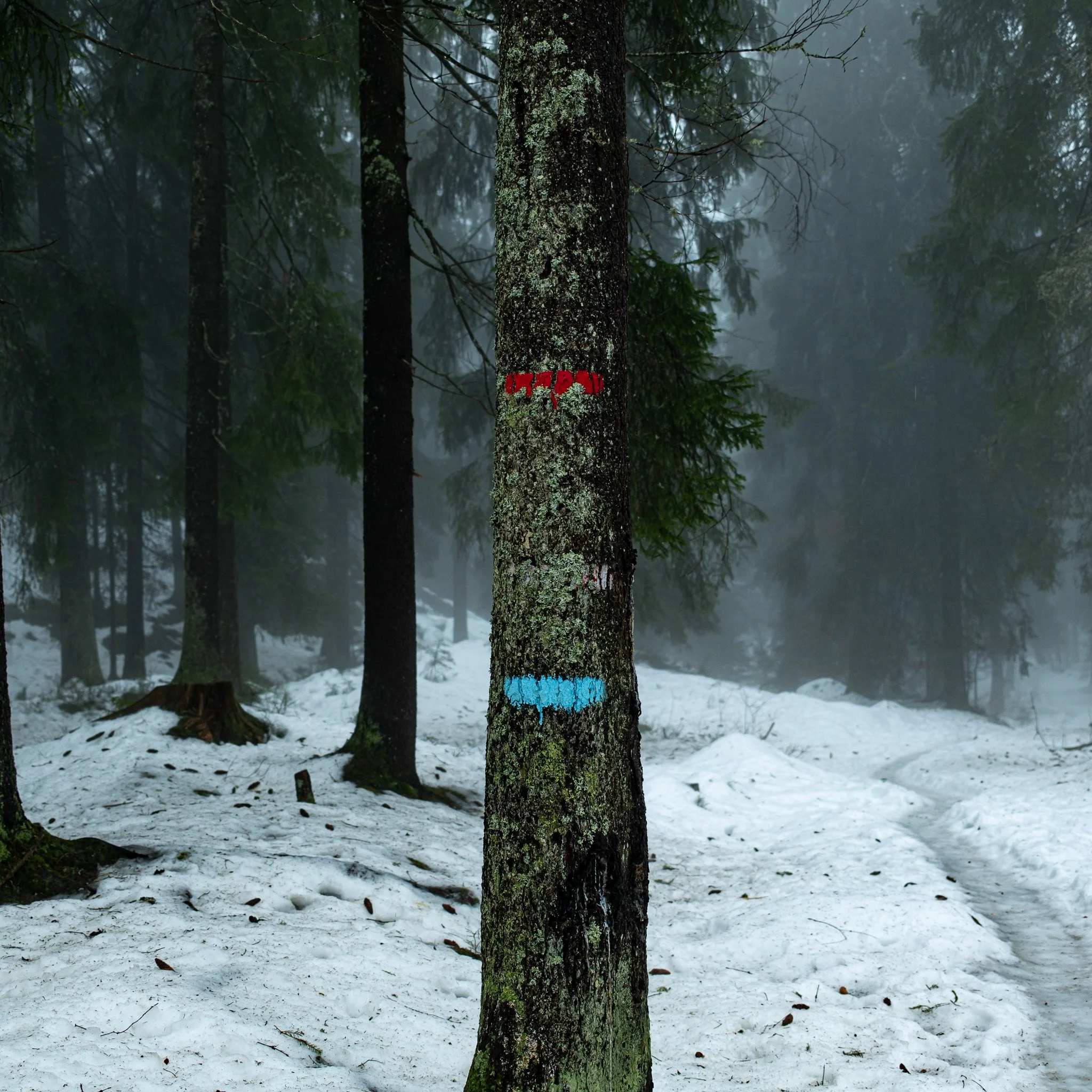
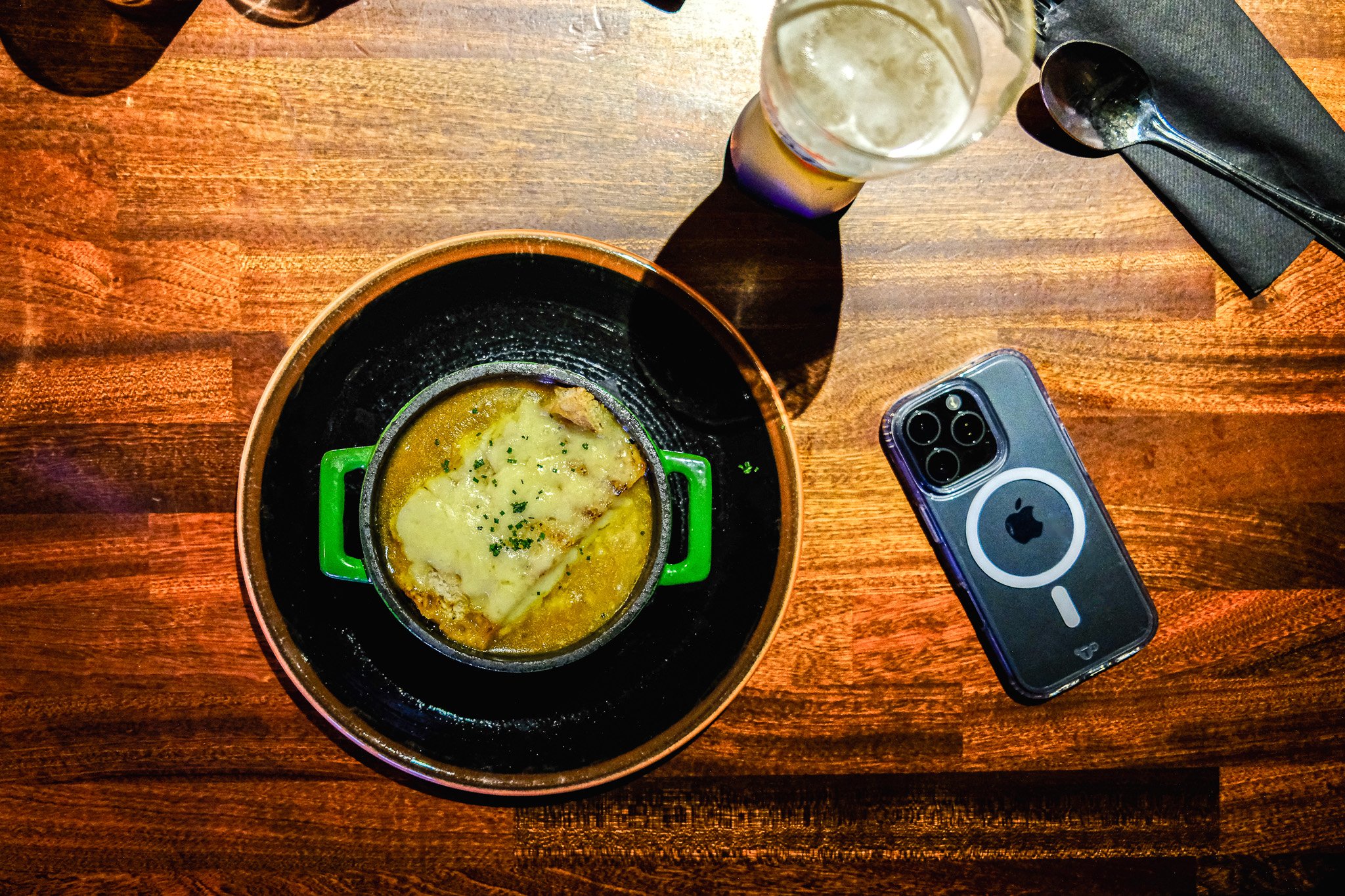
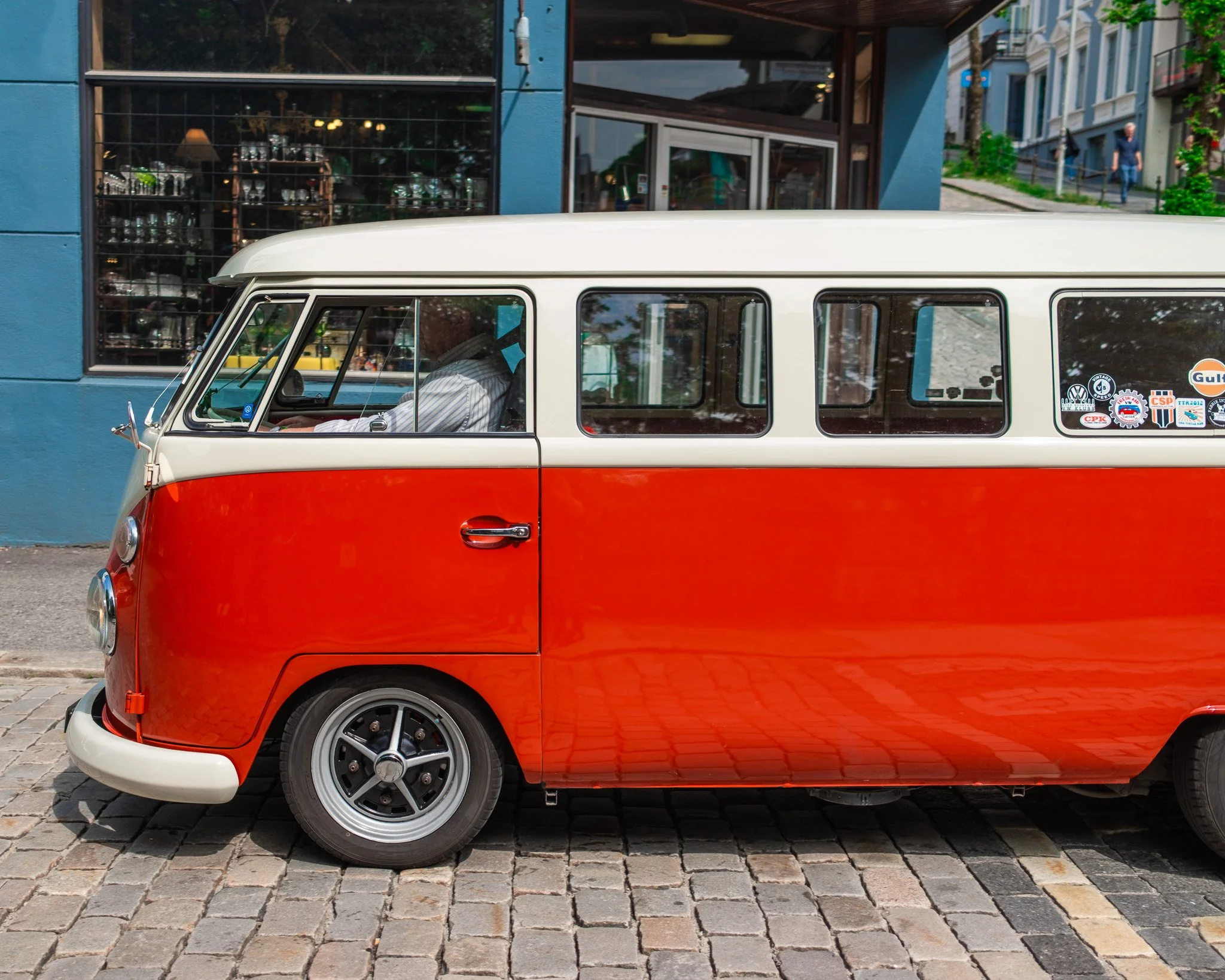
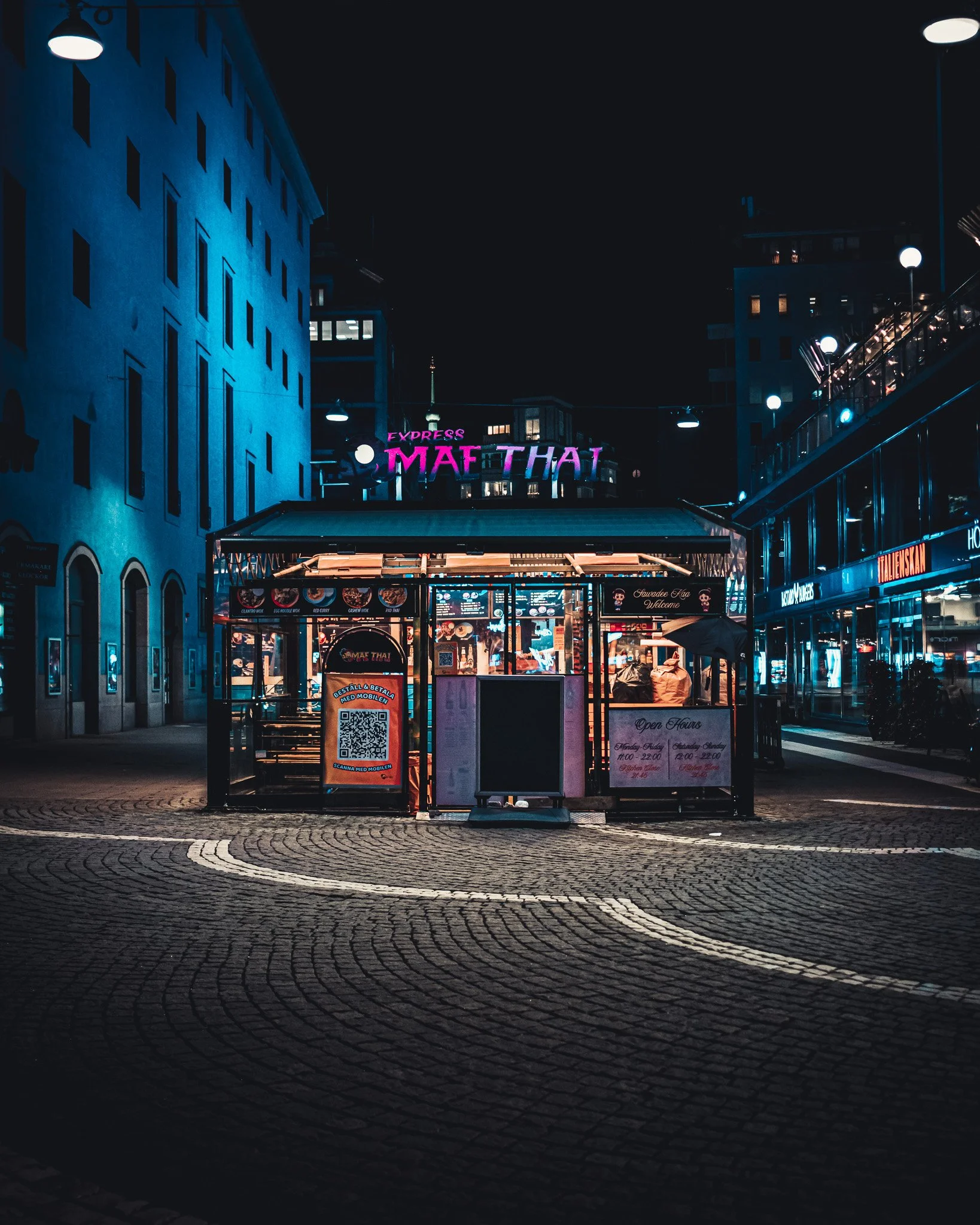
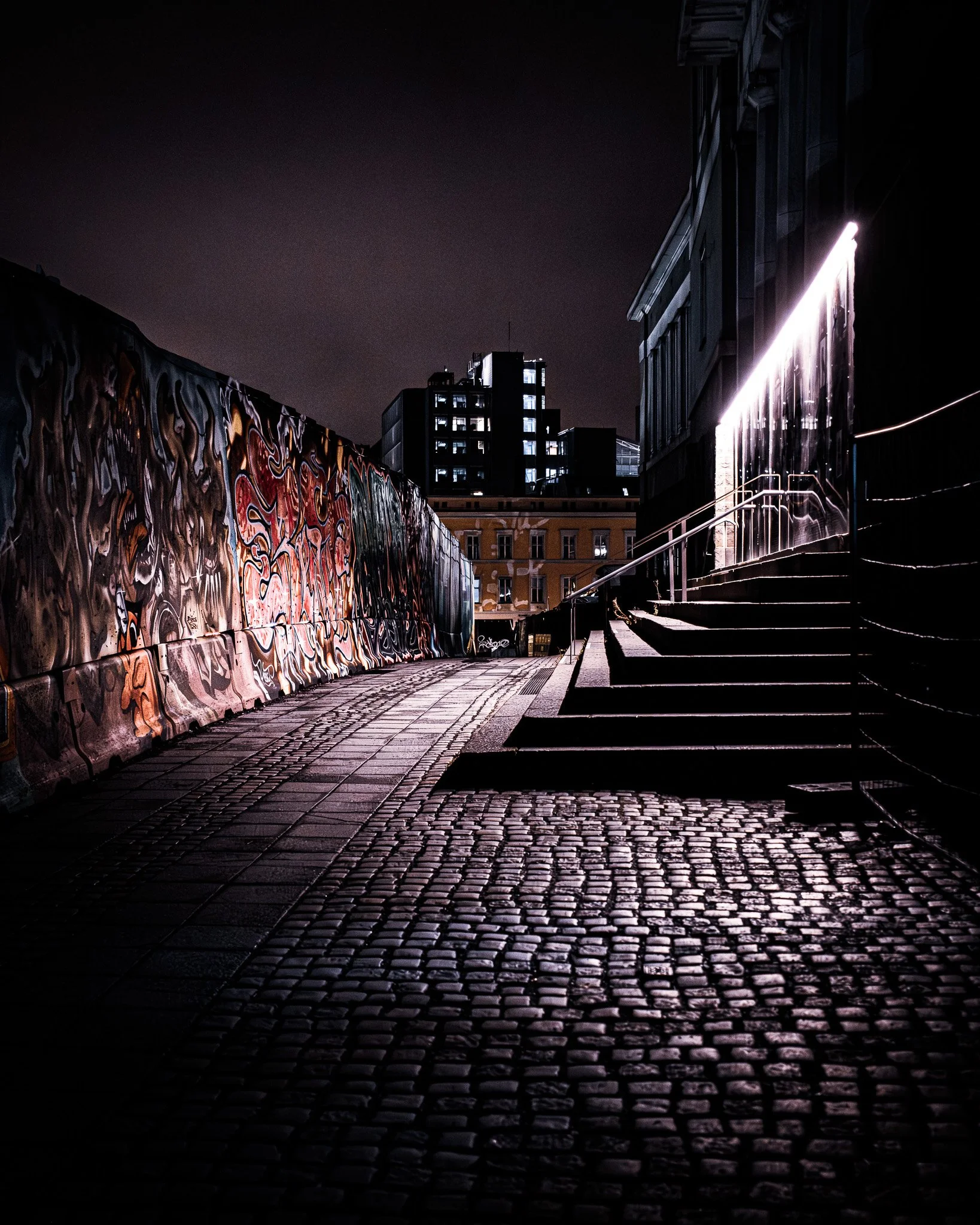
The photos in the Beograd 2025 blog were all taken with the Fujifilm X100VI.